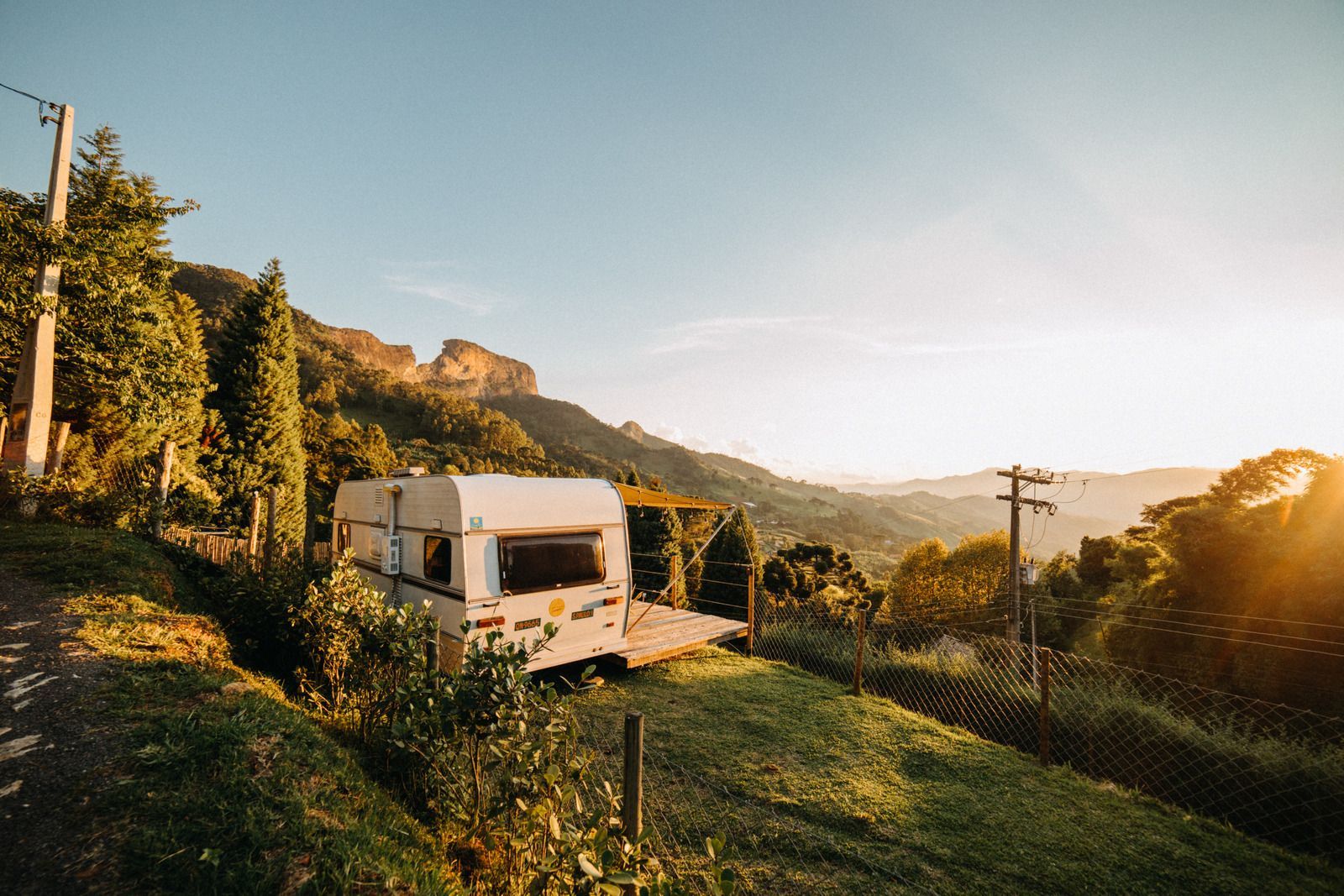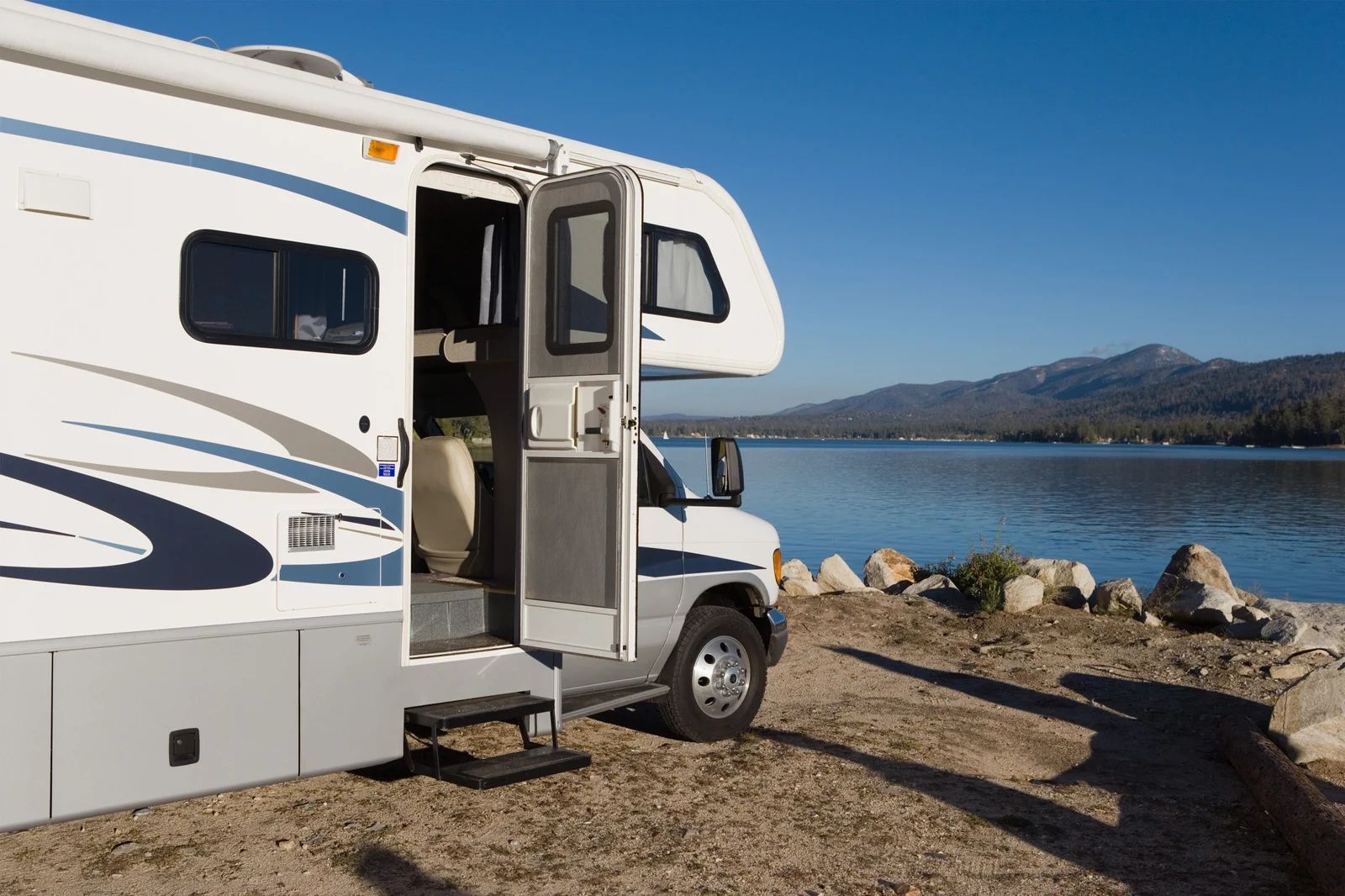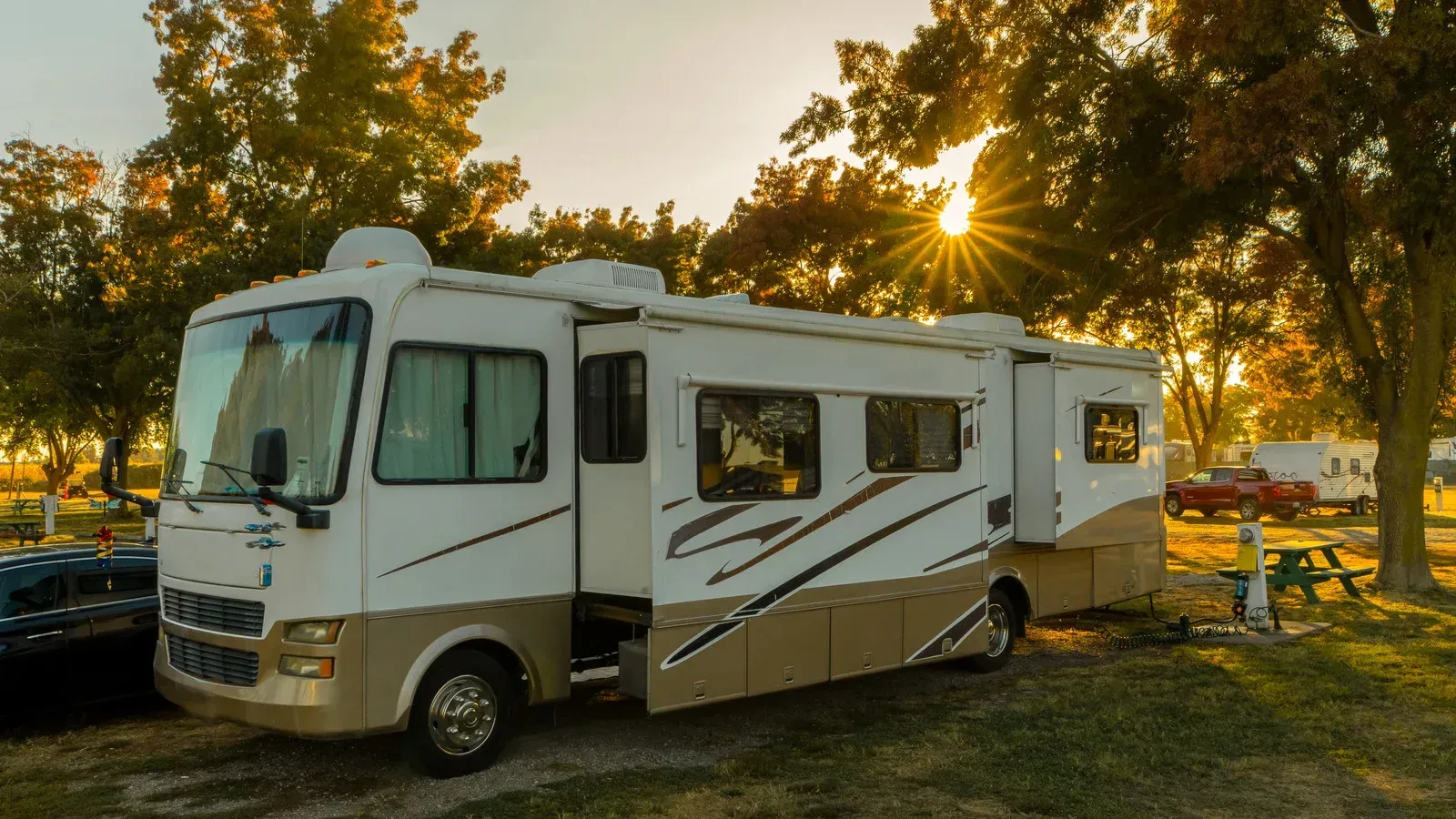
The Rise of Long-Term RV Living: Why More Retirees and Remote Workers Are Choosing Monthly RV Parking in Florida
A fundamental shift is happening in how Americans think about home. Across the country, retirees who once pictured themselves settling into a suburban house are instead hitching up a fifth wheel and heading south. Remote workers who logged into meetings from cramped apartments are now opening their laptops with a Gulf breeze coming through the window. Florida, with its mild winters, scenic coastal communities, and deep network of RV parks, sits at the center of this movement.
Monthly RV parking has moved well beyond a transitional arrangement. For a growing segment of Americans, it represents a deliberate, long-term lifestyle choice grounded in flexibility and lower overhead. Over 11 million households in the United States now own an RV, and the demand for extended-stay sites has grown alongside that number. The reasons range from financial practicality to personal freedom, and Florida continues to attract both retirees and remote workers who want to stretch their independence further than a traditional lease ever allowed.
Why Florida Attracts Long-Term RV Residents
Florida's appeal to long-term RV dwellers is not accidental. The state offers a combination of climate, geography, and policy conditions that few other states can match.
Year-Round Warmth
Florida's average winter temperatures range from the mid-50s in the Panhandle to the low 70s in South Florida, making it a practical destination for residents who want to avoid northern winters without dealing with the maintenance demands of a seasonal home.
Geographic Variety
From the Gulf Coast's calm, warm waters to the Atlantic side's ocean swells, from the Panhandle's white sand beaches to the wild backcountry of the Big Bend region, Florida offers RV dwellers a wide range of environments within a single state.
Infrastructure for Long Stays
Florida has one of the most developed RV park networks in the country. Monthly rates, full hookups, and amenity-rich communities are widely available, which removes many of the logistical obstacles that discourage extended stays in less-developed regions.
Retirees: Trading Square Footage for Freedom
The retirement landscape in America has changed significantly over the past two decades. A growing number of retirees are rejecting the conventional model of downsizing into a smaller house or moving into a retirement community. Instead, they are choosing RV living as a way to stay active, connected, and in control of their own schedule.
Reduced Financial Pressure
Without a mortgage or rent payment tied to a fixed address, retirees on Social Security and retirement savings find that monthly RV park fees can represent a fraction of what traditional housing requires. That shift in overhead gives many retirees the ability to travel, visit family more often, and allocate resources toward experiences rather than property upkeep.
Community Without Commitment
Many long-term RV parks, particularly in Florida, have developed strong seasonal communities where residents form genuine friendships, share meals, organize activities, and look out for one another. This social dimension addresses one of the most common concerns about retirement: isolation. Unlike a fixed neighborhood, the RV park community often refreshes with new arrivals while retaining a core of returning long-term residents, keeping the social environment dynamic.
Health and Mobility Considerations
Modern Class A and Class C motorhomes, as well as fifth wheels and park model trailers, are built with accessibility in mind. Wide doorways, low-profile steps, and open floor plans accommodate residents with limited mobility. The single-level living arrangement that an RV offers can actually be more practical for aging adults than a multi-story home.
A Sense of Ongoing Purpose
Many retirees who choose RV living cite the planning, maintenance, and decision-making involved as a source of continued mental engagement. Managing a rig, choosing routes, and navigating new communities keeps the mind active in ways that purely sedentary arrangements often do not.
Remote Workers: The Mobile Office Comes of Age
The widespread adoption of remote work following 2020 created a population of workers who discovered, often for the first time, that their income was no longer tied to a specific city or building. A meaningful segment of that population chose to act on that freedom by taking to the road.
- Florida as a Remote Work Base:- Monthly RV parking in Florida offers remote workers a stable base without a long-term lease. A worker can spend three months parked on the Gulf Coast, move to a different park in a different region, and never sign a year-long apartment contract. This flexibility suits workers whose jobs require occasional travel or whose personal priorities shift with the seasons.
- Connectivity has Caught Up:- One of the historic barriers to RV-based remote work was internet access. That barrier has largely fallen. Most Florida RV parks now offer Wi-Fi infrastructure, and cellular data options through carriers offering unlimited plans, combined with satellite internet services like Starlink, give remote workers reliable connectivity from virtually any site.
- Work-Life Balance, Redefined:- Remote workers who choose long-term RV living in Florida regularly report that proximity to outdoor recreation changes how they experience the workday. Finishing a morning of calls and stepping out to kayak or fish is not a weekend activity — it is a Tuesday afternoon option, and that integration of work and natural surroundings is difficult to replicate in any urban rental.
| Feature | Traditional Apartment | Monthly RV Parking |
|---|---|---|
| Lease flexibility | Annual or multi-year | Monthly, often no long-term lock-in |
| Outdoor access | Limited to urban parks | Direct access to natural surroundings |
| Community engagement | Variable by building | Often built into park culture |
| Geographic mobility | Requires full relocation | Move with your home |
| Living space customization | Landlord-controlled | Owner-controlled rig upgrades |
Practical Considerations for Long-Term RV Parking in Florida
Choosing monthly RV parking is not without its planning requirements. Understanding the practical side of the arrangement helps prospective long-term residents make informed decisions.
Site Amenities Matter for Extended Stays
For a weekend camping trip, a water hookup and a fire ring may be sufficient. For a month or more, full hookups — water, 30 or 50-amp electric, and sewer — are standard requirements. Many long-term residents also prioritize covered or shaded sites, cable television connections, and on-site laundry.
Park Rules and Community Culture
Long-term RV parks in Florida vary significantly in character. Some function as quiet, age-restricted communities oriented toward retirees. Others are open to all ages and maintain a more active atmosphere with organized events and social programming. Visiting a park before committing to a monthly arrangement gives prospective residents a clear picture of whether the community matches their lifestyle.
Residency and Mail
Long-term RV residents in Florida typically establish a legal domicile through a mail forwarding service, a registered agent, or a family address. Several counties in Florida, including those with well-established RV communities, have clear processes for RV residents to register vehicles, obtain driver's licenses, and establish voter registration.
Maintenance and Seasonal Preparation
Florida's humidity, salt air in coastal locations, and intense summer heat place specific demands on RVs. Long-term residents should plan for regular roof and seal inspections, HVAC maintenance, and pest prevention. Working with an experienced RV service provider familiar with Florida conditions extends the life of the rig.
What to Look for in a Florida RV Park for Monthly Living
Not every RV park in Florida is built for long-term residents. The parks that serve this community well share several characteristics.
- Established Infrastructure:- Sites with full hookups, adequate electrical capacity for modern appliances, and reliable water pressure are baseline requirements for comfortable extended living.
- Location and Natural Setting:- Long-term residents benefit from proximity to natural areas, waterways, fishing access, and recreational trails. Parks positioned near Florida's coastal ecosystems or scenic inland areas offer a quality-of-life advantage that purely utilitarian parks cannot provide.
- Community Longevity:- Parks that have operated for decades tend to have more stable infrastructure, more experienced management, and a more developed sense of community than newer operations. Residents who have returned year after year to the same park are a meaningful indicator of long-term satisfaction.
- On-Site Services and Management:- Responsive management, maintained common areas, clean facilities, and reliable utility service are the operational basics that distinguish a park built for long stays from one that caters only to overnight traffic.
Frequently Asked Questions
Can I establish Florida residency while living in an RV park full-time?
Yes. Florida allows RV park residents to establish legal domicile. You will need a physical address, which your park can provide, along with a Florida driver's license, registration, and vehicle title transfer. Many long-term RV residents use mail forwarding services to manage correspondence.
What hookups should I expect at a monthly RV park in Florida?
Full-hookup sites include water, sewer, and either 30-amp or 50-amp electrical service. For long-term living, 50-amp service is preferable if your rig supports it, as it handles the demands of air conditioning, refrigeration, and other appliances without strain.
Is long-term RV living practical for remote workers who need reliable internet?
In most cases, yes. Florida RV parks increasingly offer Wi-Fi infrastructure. Satellite internet services like Starlink now provide speeds sufficient for video conferencing, large file transfers, and cloud-based workflows from almost any location.
What types of RVs are best suited for extended Florida stays?
Class A motorhomes, fifth wheels, and park model trailers are the most common choices for long-term living. They offer more living space, better insulation, and stronger climate control systems than Class B vans or smaller travel trailers, which is relevant in Florida's summer heat.
Are there age-restricted RV parks in Florida for retirees?
Yes. Florida has a significant number of 55-plus RV communities that operate under the Housing for Older Persons Act. These parks typically maintain quiet-hours policies, organized social programming, and a resident profile oriented toward retirees. Availability of monthly sites in these communities is often limited, so early inquiry is advisable.
Established Florida RV Park With Generations of Experience
Long-term RV living in Florida is not a fringe trend. It reflects a genuine recalibration of what home means for retirees who want financial flexibility and geographic freedom, and for remote workers who no longer need a fixed address to do their jobs well. Florida's climate, infrastructure, and RV park culture make it one of the most practical states in the country for this lifestyle, and demand for monthly RV parking continues to grow as more people recognize what the arrangement actually offers. The decision to embrace extended RV living requires honest planning around hookups, community fit, connectivity, and residency logistics. For those who approach it with preparation, the rewards — proximity to natural surroundings, reduced overhead, and a sense of community that moves at your own pace — are substantial.
At Panacea RV Park, we have spent more than 40
years welcoming long-term guests to one of Florida's most scenic coastal communities. Located in Panacea, Florida, along the Gulf Coast, we understand what monthly RV living actually requires: reliable full-hookup sites, well-maintained facilities, and a genuine community where residents feel settled rather than transient. Our park sits in the heart of the Big Bend region, surrounded by natural waterways, excellent fishing, and the kind of quiet coastal atmosphere that draws retirees and remote workers who are serious about the lifestyle, not just testing it. We have seen this community grow over four decades, and we bring that depth of experience to every resident who chooses to make Panacea RV Park
their Florida home base. If you are ready to explore what monthly RV parking in Florida looks like in practice, we are here to walk you through what we offer and help you find a site that fits the way you want to live.