What "Full Hookup" RV Sites Actually Include
A full hookup RV site gives you three utility connections right at your spot: electricity, fresh water, and sewer. The electric pedestal is usually 30-amp or 50-amp, the water line delivers pressurized drinking water straight into your rig, and the sewer connection lets you empty your tanks without driving to a dump station. Some parks add extras like cable or a picnic pad, but the core three, power, water, and waste, are what make a site "full hookup." A site missing any one of those three is a partial hookup, not a full one.
You pull off the highway after a long drive, roll into your site, and twenty minutes later the air conditioning is humming, the fridge is cold, and you're rinsing road dust off in your own shower without once glancing at a tank gauge. That's the everyday payoff of a full hookup site. It's the reason so many travelers coming through Florida's Forgotten Coast look for one before they book. Out here along the Gulf near Panacea, where summer heat and thick humidity come with the territory, steady power and water at your site turn a trip from "roughing it" into simply living comfortably on the road.
The term gets thrown around a lot in listings and reviews, though, and it doesn't always mean the same thing from one park to the next. So let's walk through exactly what a full hookup includes, how it stacks up against partial sites and dry camping, and what it changes about your day once you're parked. New to RVing or twenty years in and never thought hard about the plumbing? Either way, this is the plain-language version.
The Three Connections That Define a Full Hookup Site
At its core, "full hookup" is a promise about utilities. When a site is full hookup, you get all three of the following, right at your pad, with no shared spigot or communal dump run.
Electric
Every full hookup site has a power pedestal, and the amperage is the number people ask about most. Most pedestals offer a 30-amp connection, a 50-amp connection, or both, plus a standard 20-amp household-style outlet on the side for smaller gear. Here's the short version. A 30-amp connection runs a smaller rig on the basics: one air conditioner, the fridge, lights, and a few outlets. A 50-amp connection carries a lot more, enough for a big motorhome or fifth wheel running two air conditioners, a residential fridge, and a microwave all at once. The plugs are shaped differently, so you match your rig to the right one, and adapters cover the times they don't line up. On a Gulf Coast afternoon in July, that steady power is what keeps your AC blowing cold hour after hour.
Water
A full hookup site has a pressurized freshwater connection. That's a spigot you attach a hose to for a steady flow of clean, drinkable water. It feeds your faucets, your shower, and your toilet directly, so you're not rationing what's in your onboard tank or driving off to refill it. Use a hose rated as drinking-water safe, usually the white or blue kind, so nothing nasty leaches into your supply. Stay more than a night or two and this is the difference between using water freely and forever checking a level.
Sewer
This one separates a full hookup from most partial sites. A sewer hookup is a capped drainpipe at your site that your RV's waste hose connects to. Both your gray water, from the sinks and shower, and your black water, from the toilet, drain straight out. No holding it. No scheduling a dump-station trip. No breaking down your whole setup just to empty a tank. You handle waste right where you're parked, and on a longer stay that's easily the most useful piece of the three. Put those three together and you've got the utilities of a house: power in, water in, waste out, all handled at the site.
Full Hookup vs. Partial Hookup vs. Dry Camping
Seeing where full hookup sits on the spectrum helps, because listings toss these terms around loosely and the gaps between them are real.
Dry camping also called boondocking, means no connections at all. You run on your batteries, your freshwater tank, and whatever your holding tanks can take before they fill. It's quiet and flexible. But in Gulf Coast heat, a battery-run fan is no match for a plugged-in air conditioner, and everything you use is on a clock.
Partial hookup usually means water and electric with no sewer. You can run your appliances and use your faucets freely, yet your gray and black tanks still fill, so eventually you pack up for the dump station or wrestle with a portable waste tote. Partial sites work fine for a short stay. They just leave the tank management on your plate.
Full hookup covers all three at the site. For weekend anglers running out to the marinas, snowbirds settling in for the season, remote workers, and anyone parking for a longer stretch, this is the setup that lets you stop thinking about logistics and start enjoying where you are.
One rule of thumb saves headaches: if a listing doesn't mention sewer, assume it's a partial site and ask before you book.
What Full Hookups Change About Daily RV Life
The features are one thing. What they do for your day is where it clicks.
You stop watching gauges. With a fresh water line and a sewer drain, you're not budgeting showers or timing the dishes around a tank creeping toward full. Water flows in, waste flows out, and you use it like you would at home.
Your climate control runs free. Steady shore power means the AC can grind away through the worst of a Panhandle afternoon, a dehumidifier can fight the coastal damp, and everything charges overnight without a second thought. For remote workers, that also means monitors, a laptop, and a router all humming at once without tripping anything.
Setup and teardown get simpler too. Once you're connected, you're set for the length of your stay. No mid-trip dump runs. No repositioning the rig to reach a fill. Pull in, hook up, and you're home.
And longer stays get downright easy, which is really the whole point. A weekend is comfortable almost anywhere. A week, a month, or a full season is where full hookups earn their keep, because the small daily chores that pile up on partial or dry sites simply aren't there.
The Gear You Bring to a Full Hookup Site
The park supplies the connections. You bring the hoses and fittings that link your rig to them. A basic kit looks like this:
- A drinking-water-safe hose for the freshwater connection, plus a water pressure regulator to protect your rig's plumbing from high park pressure.
- A good sewer hose with a clear elbow fitting and a support ramp to keep a steady downhill slope toward the drain.
- The right power cord for your amperage, along with a surge protector and any adapter you might need to match the pedestal.
- Disposable gloves and a set of connections you only ever touch for waste.
Tip: Connect in the order of water, then electric, then sewer when you arrive, and reverse it on the way out by pulling the sewer first. Store your freshwater gear and your sewer gear in separate bins. It's the simplest habit for staying clean over a long season on the road.
A Few Things to Check When You Pull In
Not every RV park in Florida is built for long-term residents. The parks that serve this community well share several characteristics.
Not every full hookup site is laid out the same way, so a quick once-over on arrival saves grief later.
Start with the pedestal and confirm your amperage. Make sure it offers the connection your rig needs, 30-amp, 50-amp, or both. Not sure? An adapter bridges the gap, but it's better to know before you settle in.
Find the sewer drain next and eyeball the slope. The drain should sit where your waste outlet can reach it on a downhill run, and a hose support keeps everything moving cleanly instead of pooling.
Then check your water hose length and the spigot. Your hose should reach without straining, and the connection should feel snug. Screw on that pressure regulator so park water pressure doesn't hammer your lines.
Warning: Always use a hose rated specifically for drinking water on your freshwater connection, never an ordinary garden hose, and keep it well clear of your sewer hose. Mixing fresh and waste lines is the one mistake that can actually make you sick, so treat those two systems as completely separate, every single time.
Once those checks pass, you're done. That's the real beauty of a full hookup site. A few minutes of setup buys you a stay where the utilities just work.
Warning: Always use a hose rated specifically for drinking water on your freshwater connection, never an ordinary garden hose, and keep it well clear of your sewer hose. Mixing fresh and waste lines is the one mistake that can actually make you sick, so treat those two systems as completely separate, every single time. Once those checks pass, you're done. That's the real beauty of a full hookup site. A few minutes of setup buys you a stay where the utilities just work.
Frequently Asked Questions
Does a full hookup RV site always include sewer?
Yes, by definition. A true full hookup means electric, water, and sewer all at your site. If a listing only mentions water and electric, that's partial, so confirm sewer before booking.
What is the difference between 30-amp and 50-amp service?
It's about power capacity. A 30-amp connection runs a smaller rig with one AC and basics. A 50-amp connection handles a larger rig with two ACs, a residential fridge, and microwave together, using adapters when needed.
Can I drink the water from a full hookup connection?
The freshwater line supplies potable, drinkable water. Always use a hose rated for drinking water, not a plain garden hose, and add an inline filter if you like. Keep it stored apart from sewer gear.
Do I need special equipment for a full hookup site?
You bring your own hoses and cords. That means a drinking-water-safe hose with a pressure regulator, a sewer hose with a support, the right power cord, an adapter if needed, and a surge protector.
Is a full hookup site better for a long stay?
For extended stays, it changes everything. Partial or dry sites mean juggling tank levels every few days. Full hookups let water flow in and waste drain out constantly, making a season feel like home.
How do I set up at a full hookup site when I arrive?
Level your rig first, then connect water, electric, and sewer in that order. Use a pressure regulator, match your cord to the pedestal amperage, and slope the sewer hose downhill. Reverse the order when leaving.
Bringing It All Together: Why Full Hookups Make the Difference
Full hookups aren't a luxury add-on, they're what turns an RV site into an actual place to live for a while. Power, water, and sewer working together mean you spend your time fishing the flats, watching the sunset over the bay, or just sitting outside with a cold drink, instead of tracking tank levels or planning a dump-station run. That's the whole point of the setup: it clears away the small daily chores so the trip itself can take center stage.
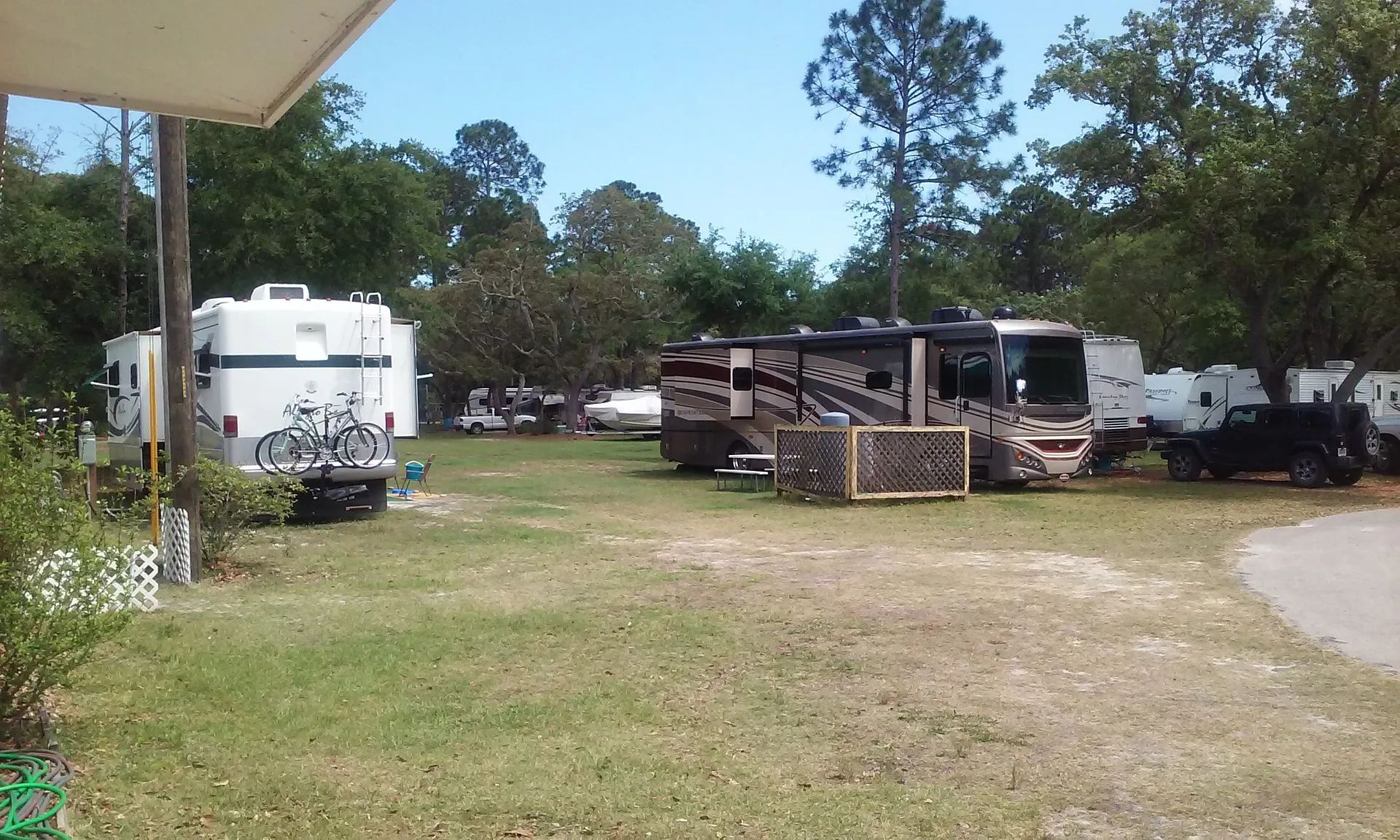
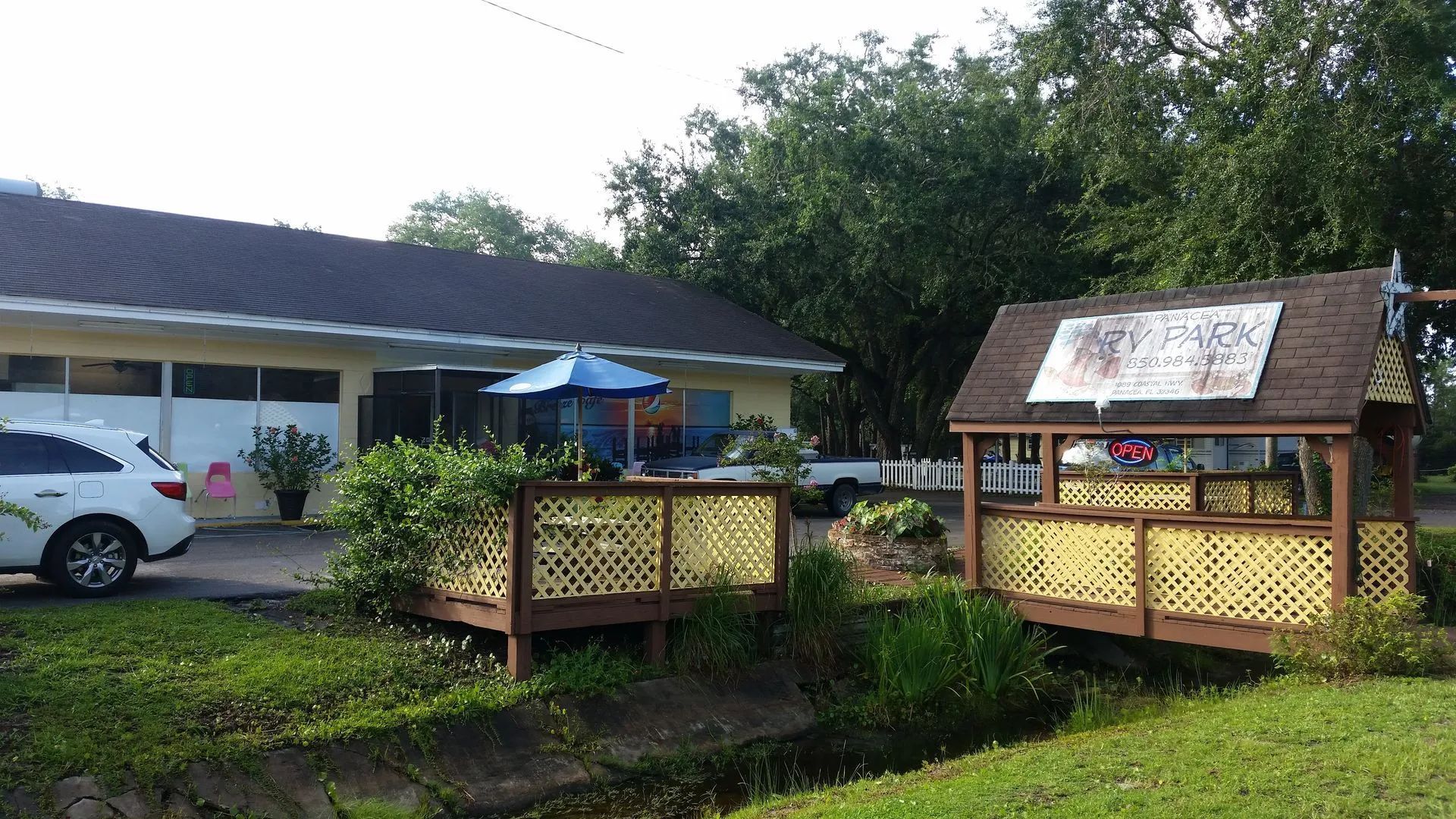
Panacea RV Park has been welcoming travelers to this stretch of Florida's Forgotten Coast for 40 years, and that kind of experience shows in the details, well-maintained pedestals, properly sloped sewer connections, and water pressure that just works. Whether you're passing through for a weekend or settling in for a whole season near Panacea, Florida, the utilities are handled so you can focus on why you came to the Gulf in the first place.